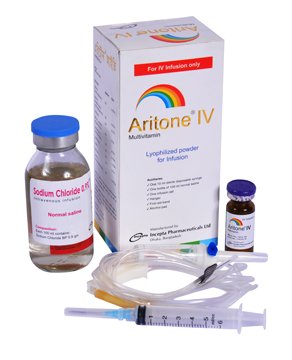
For human being, an exogenous source of Vitamin-C (Ascorbic acid) is required as human cannot synthesize Ascorbic acid. It is absorbed from the gastrointestinal tract and widely distributed in the body tissues. Ascorbic acid is reversibly oxidized to Dehydro-ascorbic acid in the body. These two forms of the vitamin are important in oxidation-reduction reactions. Vitamin-C is involved in tyrosine metabolism, conversion of folic acid, carbohydrate metabolism, synthesis of lipids and proteins, iron absorption and metabolism, resistance to infections and cellular respiration. It is also essential for collagen formation and tissue repair. Vitamin-C deficiency develops when the dietary intake is inadequate and when increased demand is not fulfilled. Vitamin-C deficiency results in scurvy, which is characterized by capillary fragility, collagenous structures are primarily affected and lesions develop in bones and blood vessels, bleeding (especially from small blood vessels and gums), anaemia and slow healing of wounds. Administration of Vitamin-C completely reverses the symptoms of Vitamin-C deficiency.
Drug information sourced from Incepta Pharma.


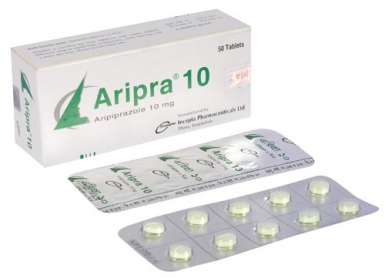
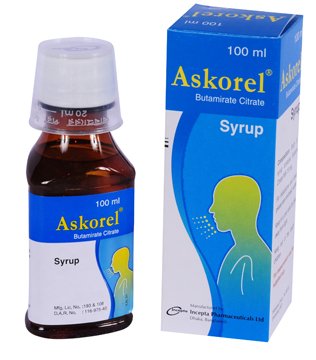
 Non Otc
 Daily Needs
 Fashion & Beauty
 Kids Zone
 Office Stationaries
 Medicine
 Health & Care
 Gift Items